
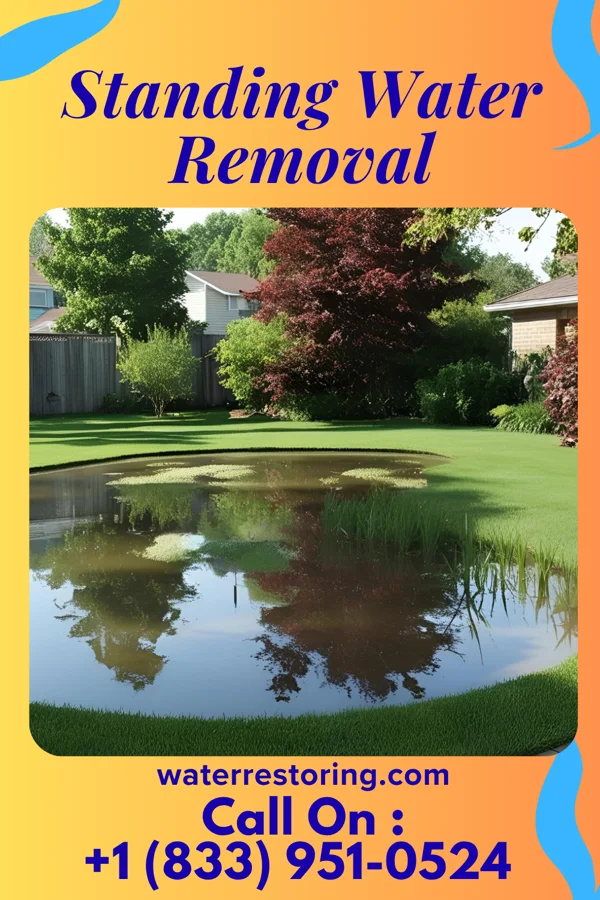
Why Chena Ridge Sees Standing Water Often
The pattern in Chena Ridge is consistent. In Chena Ridge, Alaska, standing water damage is often caused by thawing permafrost, seasonal flooding from nearby rivers, and sudden snowmelt during spring thaw. These natural events can lead to rapid water accumulation in basements and low-lying areas, especially after heavy snowfall or ice jams. drives most of the emergency restoration calls we get. A close second is Secondary causes include leaking water pipes, roof leaks from ice dams, and malfunctioning sump pumps. In rural areas like Chena Ridge, these issues are compounded by limited access to emergency services and prolonged response times..
Chena Ridge experiences extreme cold and long winters, which can cause frozen pipes and infrastructure damage. The region's permafrost thawing during summer months also increases the risk of sudden water infiltration into buildings and foundations.
Chena Ridge experiences extreme cold and long winters, which can cause frozen pipes and infrastructure damage. The region's permafrost thawing during summer months also increases the risk of sudden water infiltration into buildings and foundations. The dominant local driver is In Chena Ridge, Alaska, standing water damage is often caused by thawing permafrost, seasonal flooding from nearby rivers, and sudden snowmelt during spring thaw. These natural events can lead to rapid water accumulation in basements and low-lying areas, especially after heavy snowfall or ice jams., with Secondary causes include leaking water pipes, roof leaks from ice dams, and malfunctioning sump pumps. In rural areas like Chena Ridge, these issues are compounded by limited access to emergency services and prolonged response times. showing up as the next most common cause. Damage builds in stages. Spread. Absorption. Microbial growth. Structural compromise. Every stage you pass through adds to the final bill.
For public guidance on the health effects of mold after prolonged water exposure, see the EPA mold and health page.